
Most custom shirts that look tired too soon did not wear out. They got cooked in a hot dryer, scrubbed against a pair of jeans with a zipper, or ironed straight across the print.
A few easy habits keep prints and embroidery looking new for a long time. Here is the routine we recommend.
The short version
- Turn it inside out before it goes in the machine.
- Wash cold on a normal or gentle cycle, with similar colors.
- Use regular detergent. No bleach, and skip the fabric softener on printed pieces.
- Hang dry, or tumble dry on low. High heat is the biggest enemy of prints, and it shrinks cotton.
- Never iron directly on a print. Iron inside out, or use a pressing cloth.
- Take it out promptly. A print left balled up and damp is a print that creases.
That covers most of it. The rest depends on how your piece was decorated.
Care by decoration type
Screen printing
Screen printing pushes ink through a stencil onto the fabric, and then the shirt runs through a dryer so the ink cures for good. A well-cured print is tough.
On light shirts, a screen print may fade a little over the years, but the shirt usually falls apart before the print does. On dark shirts, prints can crack eventually. Very thin lines tend to go first, and very thick lettering can spider-web from being folded and twisted in the wash. Inside out, cold water and low heat slow all of that down.
Puff and shimmer inks
Puff ink has a foaming additive that rises into soft, raised letters with heat during curing. Shimmer ink has a metallic additive mixed in so it catches the light. Both are specialty screen printing inks, and both deserve extra care: low heat, no ironing on the design, and hang drying when you can.
DTG
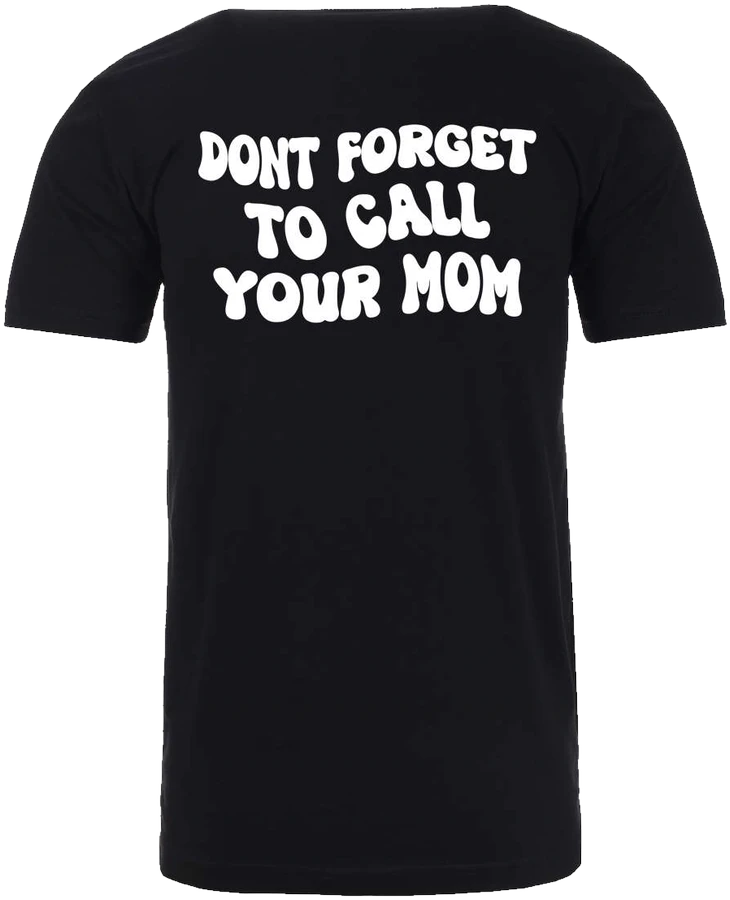
DTG prints water-based ink directly onto a cotton shirt, then heat cures it so it stays soft. On a white shirt the ink soaks in and you can barely feel it. On dark shirts, the shirt is pretreated and a white base layer goes down first.
The same rules apply: inside out, cold, low heat. Like screen printing, DTG on light shirts may soften in color a little over time.
DTF transfers
DTF is printed onto a film, backed with a powdered adhesive and heat pressed onto the garment. The result is a soft, flexible print that sits on top of the fabric. Because heat and pressure are what bonded it, repeated high heat is what you want to avoid. Wash inside out, dry low, and never put an iron directly on it.
Embroidery
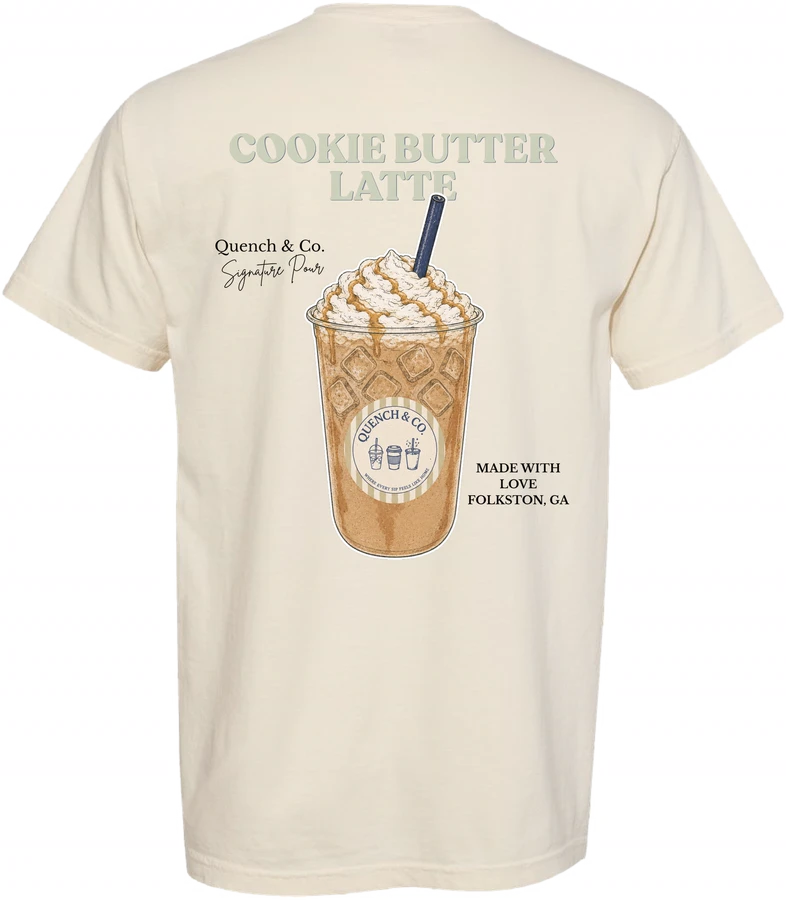
Embroidery is very durable. The thread is built to take wear and washing, and stitched logos hold their color for years.
The risks with embroidery are snags and puckering, not fading. Wash inside out, keep it away from zippers, hook-and-loop fasteners and anything with teeth, and skip high heat. If an embroidered piece needs ironing, iron it from the back with a towel underneath so the stitches are not crushed flat.
Hats
Structured caps do not belong in the washer or dryer. They lose their shape, and the brim can warp. Spot clean with a little mild soap and cool water, rinse with a damp cloth and let the hat air dry on something round, like a bowl or a balled-up towel. Go especially easy on 3D puff embroidery, which is raised on purpose. You can see a few puff examples on our hats rack.
Performance polyester
Sun shirts and dri-fit tees, like the ones on our boat and performance rack, are easy to care for. Wash cold, skip fabric softener (it can leave a coating that gets in the way of wicking), and hang dry. Polyester dries quickly, so you rarely need the dryer.
Garment-dyed and washed tees
Garment-dyed blanks like the Comfort Colors 1717 and Lane Seven LS16005GD are dyed after they are sewn, which gives them a soft, broken-in look. Washed styles like the AS Colour 5082 Heavy Faded and 5085 Stone Wash have a similar worn-in feel. With all of these, some fading over time is part of the style. Wash them with similar colors, especially the first few times. Most of these live on our heavy streetwear and midweight streetwear racks.
Shrinkage: pick the right size, then keep the heat low
100% cotton tees can shrink in a hot dryer. Cotton/poly blends, like the 60/40 Next Level 6210, and 100% polyester shirts tend to hold their size better. If you plan to machine dry, size with that in mind, and keep the dryer on low either way.
Selling merch? Put the care instructions on the shirt
If you sell apparel under your own brand, your customers will wash it however they wash everything else unless you tell them otherwise. A printed inside-neck tag is a clean way to do it, and DTF handles those well. Add a short line like "wash cold, inside out, tumble dry low" next to your logo and size.
And if something is not right when you open the box from us, whether the count, a color or a print, tell us right away and we will make it right.
Want pieces that last?
Tell us how your apparel will be used and washed, and we will recommend the blank and the decoration that hold up best for it. Get a quote, or message us on WhatsApp with your questions.
Quick answers
How long does a screen print last?
On light shirts, screen prints and DTG prints may fade a little over time, but the shirt usually wears out before the print becomes unreadable. On dark shirts, screen print, DTG and DTF can all crack eventually, depending on the design. Gentle washing slows that down.
Can I iron over a print?
Not directly. Turn the shirt inside out and iron on low, or put a pressing cloth between the iron and the print.
Is fabric softener bad for printed shirts?
We recommend skipping it on printed pieces and on performance fabrics. Regular detergent in cold water is all they need.
How do I clean an embroidered hat?
Spot clean with a little mild soap and cool water, then let it air dry. Keep structured caps out of the washer and dryer so they hold their shape.
Why is my print cracking?
On dark shirts, very thin lines tend to crack first, and very thick lettering can spider-web from folding in the wash. High dryer heat speeds it up. If durability matters for your project, tell us before you order and we will talk through options.